



Car Owners: Give Your Auto Policy a Spring-Cleaning Tune-Up
7007279964 • April 13, 2026
Car Owners: Give Your Auto Policy a Spring-Cleaning Tune-Up
As the flowers begin to bloom and the winter salt finally washes off the driveway, most of us are thinking about decluttering the garage or deep cleaning the kitchen. But there’s one "room" in your financial house that often gets overlooked: your auto insurance policy.
In 2026, driving habits have shifted significantly. Whether you’re part of the hybrid work revolution or you’ve changed how you commute, your 2025 coverage might be costing you money—or leaving you exposed.
Here is your Spring 2026 Financial Tune-Up guide
to ensure your policy is as polished as your car.
The Mileage Reality Check: Are You Overpaying?
A lot has changed in the last year. With more local businesses adopting "Flexible Fridays" and hybrid schedules becoming standard, you might be driving significantly fewer miles than you were when you first signed your policy.
• The "Low-Mileage" Perk: Most carriers offer discounts if you drive under a certain threshold (often 7,500 or 10,000 miles per year).
• Update Your Commute: If your office days have dropped from five to two, tell us. Your premium is calculated based on risk; less time on the road equals less risk.
Pothole Season: Is Your Coverage Deep Enough?
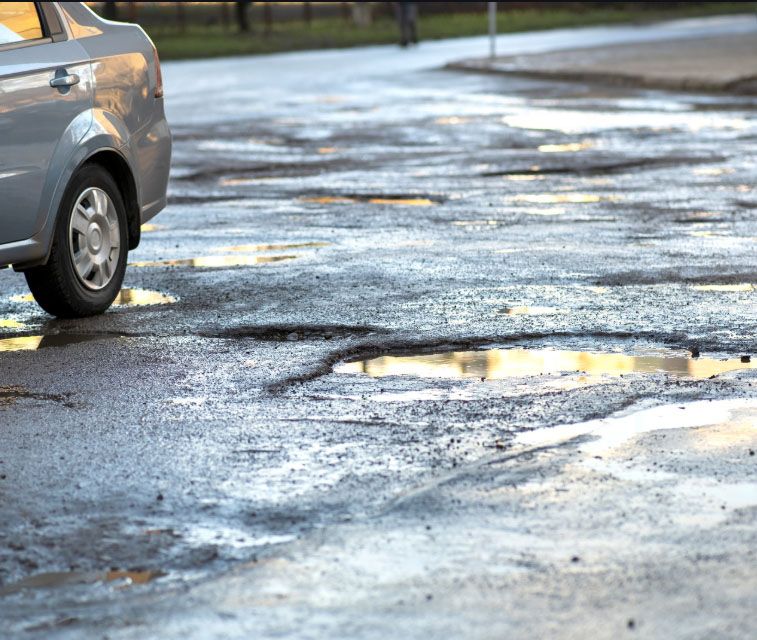
Spring in our area is notorious for one thing: potholes. After a cycle of freezing and thawing, the roads can be a minefield.
• Collision vs. Comprehensive: Did you know that hitting a massive pothole is generally considered a collision claim? If you’ve dropped collision coverage on an older vehicle to save money, a single bad encounter with a cratered road could result in an expensive out-of-pocket suspension repair.
• Check Your Deductibles: If you want to lower your monthly bill, increasing your deductible is an option—but make sure you have that amount set aside in an emergency fund specifically for "pothole season."
Review Your Tech & Safety Discounts
Car technology is moving fast. If you’ve upgraded your vehicle recently or installed new after-market safety features (like dash cams with driver-assist tech), you might be eligible for new discounts.
• Advanced Safety: Many 2026 models feature enhanced autonomous brake or lane-keep assistance.
• Telematics: If you’re a safe driver, ask us about "usage-based" insurance. A small plug-in device or mobile app can track your safe habits and shave a significant percentage off your premium.
Why Work with a Local Independent Agent?
The big "national" insurance companies use algorithms. We use local knowledge. We know which roads are the worst for claims this spring, and we know how the 2026 local economy is affecting your wallet.
As an independent agency, we don't work for one insurance company; we work for you. We can shop multiple carriers to find the one that rewards your specific 2026 lifestyle.
Spring Cleaning Tip: Grab your current "Declarations Page" (the summary of your coverage) and let’s spend 10 minutes comparing it to your actual driving habits today.
Ready for your 2026 Policy Tune-Up?
Don't let an outdated policy drain your budget. Contact us for a quick coverage review
and let’s make sure you’re protected for the road ahead.

Your home is more than just a building — it is where memories are made, belongings are kept, and everyday life happens. For homeowners in Ashland, Massachusetts, having the right home insurance coverage can provide valuable protection when unexpected events occur. From New England storms and winter weather to accidental damage and liability concerns, homeowners face a variety of risks throughout the year. Understanding your coverage can help you feel more confident that your home and belongings are protected. What Does Home Insurance Typically Cover? A homeowners insurance policy is designed to help protect several important areas of your property and finances. Coverage for Your Home Your dwelling coverage helps protect the structure of your home from covered losses, such as: Fire damage Wind and storm damage Certain types of water damage Theft or vandalism Other covered events listed in your policy It is important to make sure your coverage amount reflects the cost to rebuild your home — not just the current market value. Protecting Your Personal Belongings Your home contains more than walls and a roof. Furniture, electronics, clothing, appliances, and other personal belongings all have value. Personal property coverage may help replace or repair your belongings after a covered loss. A helpful tip for homeowners: create a home inventory with photos, videos, and receipts for valuable items. Having documentation ready can make the claims process easier if you ever need it. Liability Protection: Coverage Beyond Your Home Many homeowners do not realize their insurance can also help protect them from certain liability risks. For example, liability coverage may help if someone is injured on your property or if you are responsible for accidental damage to someone else’s property. Whether you are hosting friends, maintaining your property, or simply enjoying your home, liability protection can provide an extra layer of security. New England Weather and Home Insurance Considerations Ashland homeowners experience all four seasons, and each season can bring its own challenges. Winter weather may bring risks like: Frozen pipes Ice dams Snow and ice accumulation Spring and summer storms can bring: Strong winds Heavy rain Fallen trees Lightning damage Preparing your home and understanding your insurance coverage before severe weather happens can help you respond more confidently if damage occurs. Common Home Insurance Mistakes to Avoid Assuming You Have Enough Coverage Home values, construction costs, and personal belongings change over time. A policy that was right several years ago may not provide the same level of protection today. Forgetting About Home Improvements Did you finish a renovation, add a deck, upgrade your kitchen, or make other improvements? These changes may affect how much coverage you need. Not Understanding Your Deductible Your deductible is the amount you are responsible for paying before insurance coverage applies. Knowing your deductible ahead of time can help you make informed decisions if you experience a loss. Why Local Insurance Guidance Matters Every home and homeowner is different. Factors like your property, neighborhood, personal belongings, and lifestyle all play a role in determining the right insurance coverage. Working with a local insurance agency that understands Massachusetts homeowners can help you identify your risks and find coverage that fits your needs. Protect Your Ashland Home With Confidence Your home is one of your biggest investments — and protecting it starts with understanding your insurance. Whether you are a first-time homeowner, have lived in Ashland for years, or recently made updates to your property, reviewing your homeowners insurance can help ensure your coverage keeps up with your needs. ATR Insurance is here to help Ashland, MA homeowners understand their options and protect what matters most. Contact our team today for a personalized home insurance review.

We’ve all been there: the light turns green, the road is open, and for a split second, you feel like you’re auditioning for the next Fast & Furious sequel. It’s fun in the movies, but in the world of modern auto insurance, that "main character energy" comes with a digital footprint. If you’ve opted into a telematics program to snag a discount, it’s time for a reality check. Your car is talking to your insurance provider, and it’s being very honest about your habits. What Exactly Is Your Car Reporting? Telematics—often a plug-in device or a mobile app—tracks specific behaviors to determine your risk level. While every carrier uses slightly different algorithms, they generally focus on three "spicy" behaviors: Hard Braking: Slamming on the anchors frequently signals that you might be following too closely or not paying attention to traffic flow. Rapid Acceleration: Floor it at every green light? The system flags this as aggressive driving. Late-Night Trips: Statistically, more accidents happen between midnight and 4:00 AM. If you’re a night owl, your data reflects that. Drive Nice = Pay Nice The logic for independent insurance agencies is simple: data-driven pricing. Instead of basing your rates solely on your age or zip code, telematics allows you to prove you deserve a lower rate. When you maintain a "boring" driving profile, you demonstrate lower risk. Lower risk translates directly into lower premiums. It’s the most direct way to take control of your monthly expenses. When the Premium Gets Spicy 🔥 On the flip side, if your data shows consistent speeding or "wild turns," you lose that competitive edge. While some programs only use data to provide discounts, others may use it to adjust your base rate upward if your driving is consistently high-risk. Essentially, if you drive like there’s a film crew chasing you, your wallet is going to feel the heat. How to Win the Telematics Game Ease into Stops: Anticipate red lights and stop signs early. Smooth Transitions: Imagine there’s a bowl of water on your dashboard. Don’t let it spill. Monitor the App: Most insurance apps give you a "driver score." Check it weekly to see where you can improve. Let’s Find Your Best Rate As an independent agency, we have access to multiple carriers with different telematics perks. We can help you compare which program rewards your specific driving style the most.

Adding a teenager or college student to an auto insurance policy represents a major financial milestone for a household. Because younger drivers have less time behind the wheel, data shows they face a higher risk of accidents, which causes premium prices to rise. However, insurance carriers offer clear incentives for young drivers who demonstrate responsibility in the classroom. August is the perfect time to gather report cards and transcript details to secure these savings before the fall semester begins. The Reality of Youthful Driver Rates Car insurance rates typically remain elevated for drivers under age 25. Carriers look at risk variables, and statistics show a strong correlation between academic discipline and safe driving habits. Essentially, a student who takes time to study generally exhibits more caution behind the wheel. By leveraging specific educational achievements, households can trim a noticeable percentage off the student portion of their auto policy premiums, depending on the carrier and state rules. How to Qualify for a Good Student Discount Most major insurance companies provide a discount for full-time high school or college students aged 16 to 24 who meet specific academic benchmarks. While guidelines vary by company, a driver usually needs to meet at least one of these criteria: Maintain a B Average: A cumulative grade point average (GPA) of 3.0 or higher on a standard 4.0 scale. Rank High in the Class: Placement in the upper 20% of their scholastic class. Make the Honor Roll: Proof of inclusion on the Dean's List or Honor Roll during the previous semester. Standardized Test Performance: Scores within the top 20% on national exams like the SAT, ACT, or PSAT. Note for homeschool families: Homeschooled students qualify by submitting documentation from a certified teacher or proof of a high score on a recognized national placement exam. Required Proof and Documentation Carriers do not automatically apply these savings based on enrollment alone. To receive the lower rate, parents or students must provide tangible evidence to their insurance provider. Useful documents include: 1. A recent official report card or computer-generated transcript showing the GPA or letter grades. 2. A signed letter from a school administrator confirming the student ranks in the top 20% of their class. 3. A copy of a newly minted associate or bachelor’s degree diploma. This documentation must be updated periodically—usually once a year or at policy renewal—to prove the student maintains their academic standing. The "Student Away at School" Option For parents sending a young adult off to college without a vehicle, a different discount comes into play. If a full-time student resides at a university located more than 100 miles from home, carriers frequently reduce the premium significantly. The student remains listed on the policy, meaning they are legally covered to drive when returning home for Thanksgiving, winter break, or summer vacation. However, because they lack daily access to the family cars, the insurer drops the associated risk level. The Bottom Line: Working with an independent agent allows households to shop for these discounts across a broad network of distinct carriers. Since every company calculates youth risk and student discounts using different formulas, an independent agent can compare options side-by-side to find the absolute best fit for a family budget.
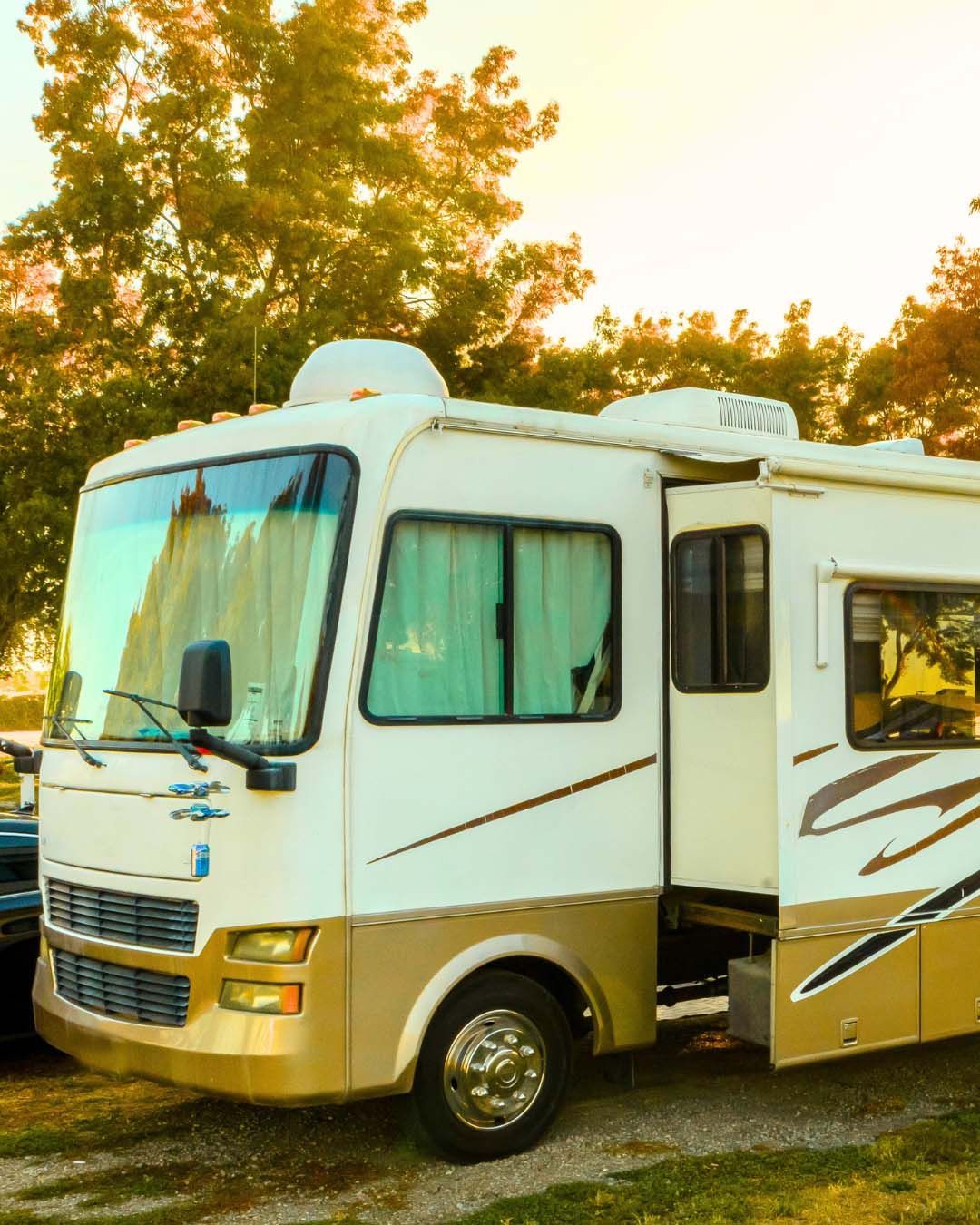
Think about the last time you hit the road. You’ve got the ultimate playlist, the cooler is stocked with top-tier treats, and your "rolling vacation castle" is ready for the horizon. Whether it's a luxury motorhome or a cozy travel trailer, your camper is more than just a vehicle—it’s your home away from home. And just like a house, it needs the right protection. While the snacks might be better in a camper, the risks are just as real as they are for a stationary home. From unpredictable weather to uninvited guests, making certain your investment is covered allows you to focus on the campfire, not the "what-ifs." Why Standard Auto Insurance Isn't Enough Many owners assume their auto policy has them covered. While your car insurance might provide some liability while you're towing, it often falls short when it comes to the "living" side of your RV. A specialized RV insurance policy accounts for: Personal Property: Your clothes, gear, and those expensive camping gadgets. Attached Accessories: Awnings, satellite dishes, and custom levels. Total Loss Replacement: If the worst happens, you want to get back on the road in a comparable model. Real Risks on the Open Road Nature is beautiful, but it can be unpredictable. When you’re living the nomadic life, you must account for: Storms: High winds and hail don't care about your weekend plans. Theft: Campgrounds are generally safe, but your valuables are still at risk. Bears with Bad Manners: Wildlife encounters can lead to more than just a good story; they can cause significant physical damage to your exterior. The Benefit of an Independent Agency As an independent insurance agency , we don’t work for one big corporation; we work for you. Because we have access to multiple carriers, we can shop around to find the specific coverage that fits your lifestyle and budget. We look for the nuances—like roadside assistance that actually understands how to tow a large rig or vacation liability for when you’re parked at the site. We help you navigate the fine print so you can feel confident in your coverage. Protect Your Rolling Vacation Castle Campers aren’t cheap, and they represent the time and effort you’ve put into your leisure time. Don't leave your favorite memories to chance. By securing a policy tailored to the unique needs of a house on wheels, you can rest easy knowing your snacks (and everything else) are safe. Ready to see how we can protect your next adventure?

Graduation Season & First Cars: What Families Should Know

Living in a warm climate is wonderful—you often escape the brunt of blizzards and prolonged freezes. However, when those rare, intense cold snaps hit your region, your home is still vulnerable. A little proactive preparation can make a big difference in avoiding costly damage and discomfort. Here is a simple checklist to get your property ready when the mercury dips lower than usual: Mind Your Water Lines Freezing pipes are perhaps the most common (and messiest) casualty of unexpected cold weather. When water freezes, it expands, which can cause pipes to burst. Insulate Exposed Pipes: Check areas like your garage, crawl space, attic, and exterior walls. Wrap any exposed pipes with foam pipe insulation (available at hardware stores) to provide a layer of protection. Disconnect Hoses: Remove all garden hoses from outdoor spigots. Leaving them attached can trap water near the valve, leading to a freeze and a burst pipe inside your wall. If your spigot has a separate shutoff valve inside your structure, close it and drain the exterior line. A Slow Drip: During the very coldest nights, let a few indoor faucets (especially those on exterior walls) slowly drip. The movement of the water helps prevent the pressure build-up that causes a break. Seal Out the Chill Preventing cold air infiltration is key to keeping your interior warm and your energy costs down. Check Doors and Windows: Feel around the edges of all your exterior windows and doors for drafts. Apply weather stripping or use caulk to seal any significant gaps you find. Cover Vents and Fans: If you have crawl space vents, consider temporarily covering them to limit the flow of frigid air beneath your structure (remove the covers when the weather warms up). Reverse Your Ceiling Fans: If your fan has a reverse switch, use it! Running the fan in a clockwise direction on a low-speed pushes warm air (which rises) down into the room. Protect Exterior Elements Don't forget the parts of your dwelling and yard that are always outdoors. Bring Potted Plants Inside: Any sensitive plants in containers should be moved into a garage or indoors to shield them from the frost. Cover Pool Equipment: If you have a pool, follow the manufacturer's instructions for protecting the pump, filter, and other equipment from freezing temperatures. Stock Up on Supplies: Make sure you have batteries for flashlights, extra blankets, and non-perishable food items, just in case a cold snap leads to temporary power disruptions. Taking these straightforward steps now means you can enjoy the rest of the season with less worry about a sudden temperature plunge. A little preparation is all it takes to keep your cherished residence cozy and protected.
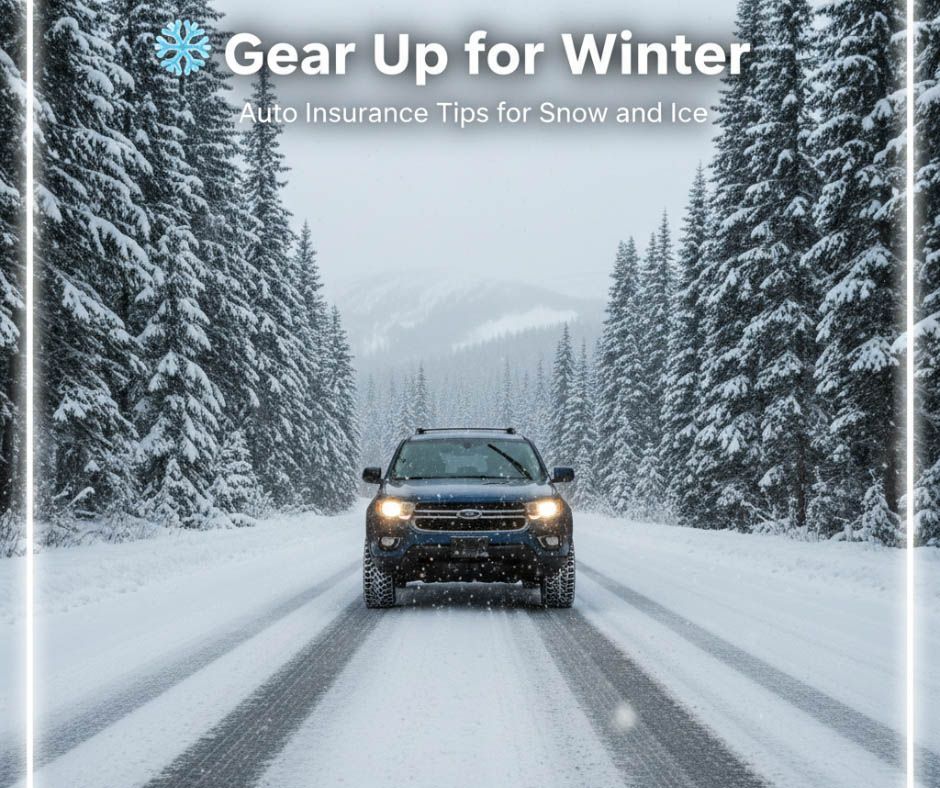
Winter brings a unique set of challenges for drivers, from icy roads to snowdrifts. While preparing your vehicle for the cold weather is crucial for safety, understanding how your auto insurance protects you during these treacherous months is equally important. Taking proactive steps now can save you from a headache and a financial hit when the temperatures drop. 🚗 Preparing Your Vehicle for Winter Roads Before the first snowflake falls, dedicate some time to winterize your car to prevent breakdowns and make driving safer. Tires are your vehicle's most vital connection to the road. You should inspect the tread depth to ensure you have enough grip for slippery surfaces. You can use the classic "penny test"—if you can see the top of Lincoln's head when you insert a penny head-first into a tread groove, you should probably consider new tires. Also, remember that cold weather causes air pressure to drop, so check your tires regularly to improve handling and fuel efficiency. Beyond the tires, focus on your vehicle's essential fluids and systems. Battery health is critical; cold temperatures significantly reduce battery power, making it essential to have it tested, especially if it's older than three years. In terms of fluids, check your antifreeze mixture to prevent your engine from freezing, and top off your windshield washer fluid with a winter-grade solution that resists freezing. Finally, ensure your brakes are in top condition and that all of your exterior lights are functional so you can clearly see and be seen on dark, snowy days. 🧰 Don't Drive Without a Winter Emergency Kit Even the best-prepared car can be unpredictable in a snowstorm. Having a well-stocked emergency kit in your trunk is crucial if you get stranded or need quick assistance. This kit should contain several essential items designed to keep you warm, safe, and visible. Your must-have emergency list includes: • Traction and Tools: Jumper cables, a small shovel, and a bag of sand, cat litter, or rock salt to help your tires gain traction if you get stuck. • Warmth and Safety: Warm blankets, hats, and gloves to retain heat, a flashlight with extra batteries, and a basic first-aid kit. • Communication: A fully charged cell phone and a portable charger are vital for calling for help. • Sustenance: Non-perishable food and water, in case you are delayed for a significant amount of time. 🛡️ What Your Auto Insurance Covers in Winter Understanding your policy is key to peace of mind during the challenging winter months. Your auto insurance is designed to protect you from common winter accidents and damage, but only if you have the right coverage. • Collision Coverage is what pays for damage to your vehicle if you are involved in an accident with another car or an object. If you slide on black ice and hit a guardrail, a light pole, or end up in a ditch, your collision coverage helps pay for your car's repairs, minus your deductible. Since loss of control is so common in winter, this is one of the most critical coverages to maintain. • Comprehensive Coverage handles damage to your vehicle resulting from "non-collision" events. This is especially relevant in winter for events like hail or wind damage from a bad storm, or if a tree branch falls on your car due to heavy ice or snow. It also covers damage from theft, vandalism, and accidents with animals, which can still occur during the colder months. • Liability Coverage is mandatory in almost every state and is there to protect you financially if you are at fault for an accident. If you slide on an icy overpass and cause an accident that injures another person (Bodily Injury) or damages another vehicle or someone's property (Property Damage), your liability coverage will step in to cover those costs, up to your policy limits. Remember, this coverage never pays for damage to your own vehicle. As the snow falls and the temperatures drop, the combination of a well-prepared vehicle , a stocked emergency kit , and the right auto insurance coverage is your best defense against winter's driving hazards. Take a moment to check your tires, test your battery, pack those blankets, and, most importantly, review your policy's Collision and Comprehensive coverage with us. Don't let a slick road result in a financial headache. Being proactive now prepares you for the challenges of snow and ice with confidence and security , knowing you're protected on all fronts.

Few things are as delicious (or dangerous) as a deep-fried turkey. Each year, thousands of homeowners find out the hard way that hot oil and holiday excitement don’t always mix. Here’s how to do it safely and avoid turning dinner into a homeowners insurance claim. 1. The Big Danger: Fryer fires are responsible for more than $15 million in property damage every year. These fires start when people use fryers indoors, overfill them with oil, or drop in a frozen bird. Always set up your fryer outside on a flat, non-flammable surface — and keep a fire extinguisher nearby. 2. Thaw, Dry, and Lower Slowly: Moisture and hot oil are a bad combination. Make sure your turkey is completely thawed and dry before lowering it in — slowly and carefully. 3. Keep Kids and Pets Away: Hot oil can splatter or spill, so set a safety zone of at least three feet around your fryer. 4. Check Your Homeowners Coverage: If a cooking fire causes damage, your homeowners insurance may help with repairs. But prevention is priceless — no one wants to spend Thanksgiving filing a claim. Thanksgiving is about food, family, and gratitude — not flames and phone calls to your insurance agent. By taking a few simple precautions and keeping safety top of mind, you can enjoy a perfectly crispy turkey and a worry-free holiday. From our team to your table, here’s to a safe, happy, and delicious Thanksgiving.

Stay safe on the road — and make sure your insurance is ready too. As days get shorter and the fall season settles in, deer become much more active — especially around dawn and dusk. In fact, fall is peak season for deer-vehicle collisions, which can cause serious damage to your car and injuries to passengers. Here’s a simple deer season driving checklist to help you steer clear of accidents (and insurance claims): Be Extra Alert at Dawn & Dusk • Most deer activity happens early in the morning and late in the evening. • Slow down and scan roadsides during these hours. • If you see one deer, expect more — they often travel in groups. Use High Beams Wisely • On dark, rural roads, use your high beams when no oncoming traffic is present. • High beams help spot glowing eyes on the roadside sooner. • Switch back to low beams quickly if a deer is in the road — bright lights can freeze them in place. Consider Deer Whistles or Reflectors • Some drivers install deer whistles or roadside reflectors to deter animals. • While not foolproof, they may reduce risks when paired with cautious driving. Defensive Driving Tips • Never swerve sharply to avoid a deer — you risk hitting another vehicle or losing control. • Brake firmly, keep both hands on the wheel, and try to stay in your lane. • Always wear your seatbelt — most serious injuries happen when drivers lose control after swerving. Insurance Angle: Comprehensive Coverage Matters • If you hit a deer, it’s comprehensive coverage (not liability or collision) that pays for the damage. Without it, repair costs come out of pocket. Fall is the perfect time to check your policy to be sure you’re covered. Deer season doesn’t have to mean danger on the roads. By staying alert, using high beams wisely, and keeping your insurance up to date, you can protect both your passengers and your vehicle. As the leaves turn and daylight fades a little earlier, deer begin their busy season—and so should your fall driving precautions. A few simple actions—slowing down at dawn and dusk, using high beams responsibly, and resisting the urge to swerve—can make all the difference between a close call and a costly collision. And don’t forget: if you’re involved in a deer encounter, it’s your comprehensive coverage that steps up to help. Stay sharp, stay safe, and steer through deer season with confidence—check your policy and your mirror before your next drive.
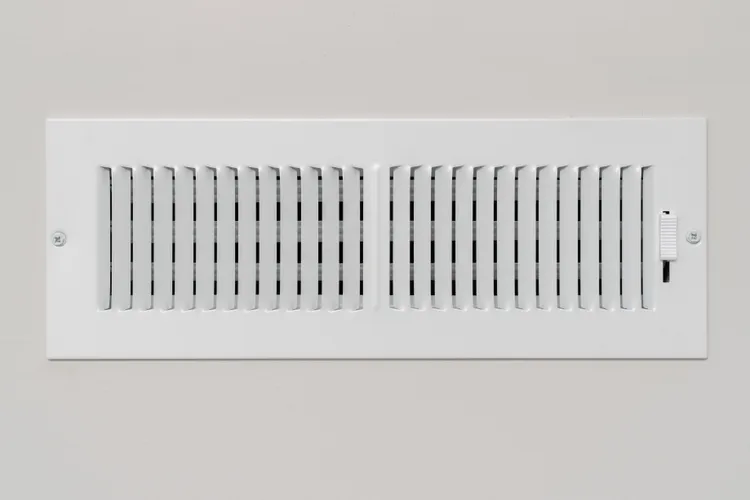
This seemingly smart summer habit could be harming your HVAC system. With another record-setting summer underway and AC units working around the clock, many of us are looking for ways to cut down on our electricity bills. While closing vents in individual rooms or spaces might seem like a reasonable way to save money this summer, it’s actually not quite that simple. Despite what you might have heard, HVAC professionals say that closing vents in unused rooms is not an effective cost-saving measure. In fact, it might be doing more harm than good to your HVAC system. Should You Close AC Vents In Unused Rooms In Summer? “No, you should never close vents in individual rooms,” says Brad Martin, Field Service Manager for Boer Brothers Heating & Cooling in Chapel Hill, North Carolina. HVAC systems are designed to maintain a specific and balanced airflow known as CFM, or cubic feet per minute, throughout a home. Closing vents can increase pressure in the ductwork, potentially causing leaks or damage to the system. As a result, the system will not work properly or efficiently. What Role Do Vents Play In Heating And Cooling A Home? Vents act as exit and entry points for warm and/or cool air to lower or raise the temperature in your house. As the return removes the cool or hot air, Martin says, the supply vents replace this air with the opposite of what it is removing. In most homes, the furnace (forced air) and air conditioner (central air) utilize the same vents. Proper air flow is essential to the function of both systems. What Are The Risks Of Closing Vents In Unused Rooms? It might help to think of your HVAC system like your body’s cardiovascular system, and a closed vent like a blocked artery. “Closing vents in the individual rooms can cause the static pressure of the system to rise, causing issues like your blower motor failing, causing the compressor to fail,” Martin explains. “When individual vents are closed, the air still travels down that duct. Once it travels down the duct it has nowhere to go and then puts positive pressure back on the system.” Are There Any Energy Savings From Closing Vents In Unused Rooms During Summer? Closing vents in individual rooms will not help your cooling costs but actually hurt your system. “Closing vents puts a strain on the system, which in turn causes the system to work harder,” Martin says. “HVAC systems are designed for a certain CFM, so when the system’s vents are closed, the air that is still traveling through the ducts puts pressure on the system. This causes both the motor and compressor to get hot. When mechanical parts get hot, they pull higher amperage causing electricity bills to be higher and not perform at top energy efficiency.” The Correct Way To Adjust Air Flow To Different Rooms Instead of closing individual vents during the summer, Marin recommends installing (or adjusting) butterfly dampers at the main duct line. These dampers act as a block at the main duct trunk line, causing your system to function like there isn’t a vent in that particular room at all. Unless you’re experienced working with HVAC systems, it’s best to enlist a local HVAC technician to handle this for you. Source